Ladies of Data 2025
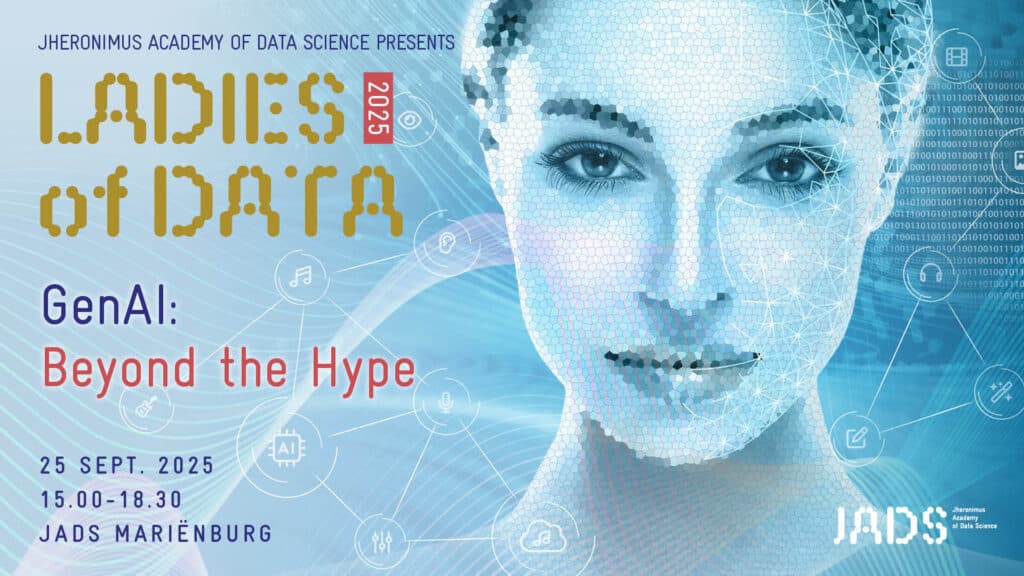
GenAI - more than just a hype
Generative AI is more than just a hype—it’s reshaping what we do and how we do it, unlocking possibilities for innovation. An impact similar to the one the world experienced during the Industrial Revolution. Recent breakthroughs, such as the rapid advancements in Chinese GenAI models challenging global tech dominance, highlight how this technology is accelerating innovation and redefining competition on a global scale. Yet many current applications seem to focus on the more mundane efficiency cases. During this event, we showcase innovative use cases of GenAI to real-world challenges, products, and services.
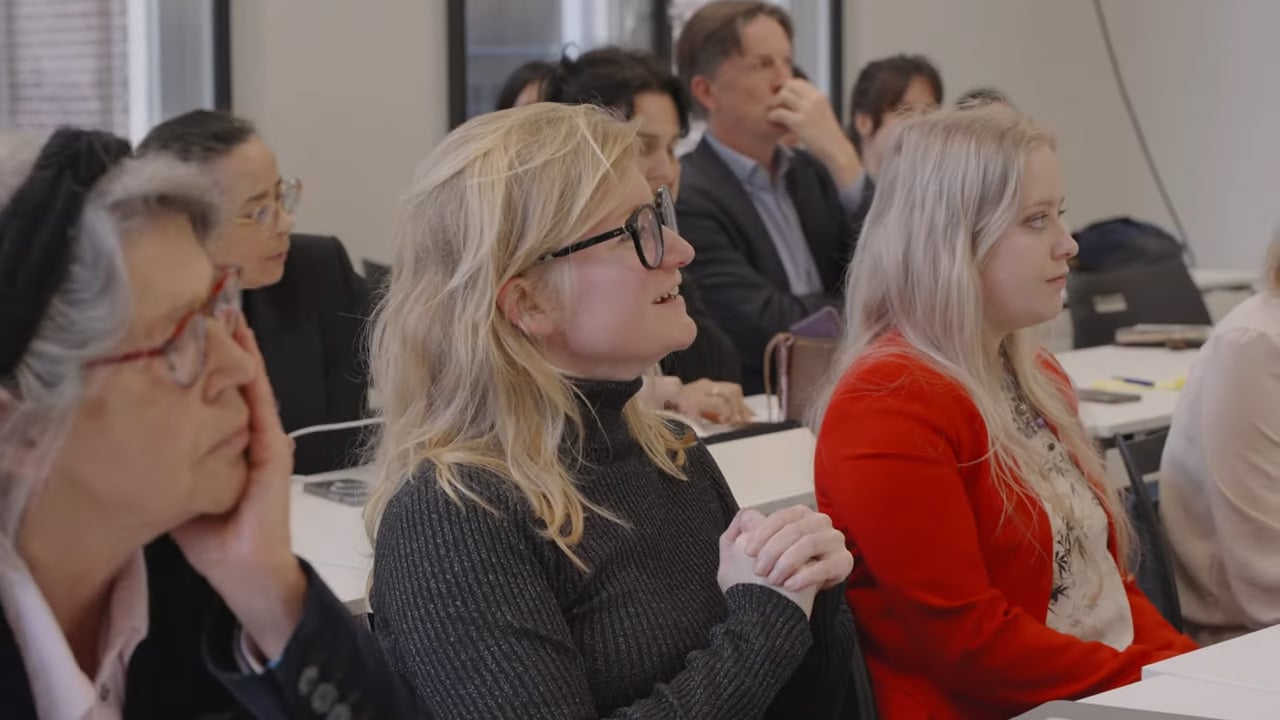
Through inspiring keynotes, interactive breakout sessions, and hands-on discussions, you can explore how generative AI is driving R&D, creating new opportunities, and transforming experiences. Whether you’re looking to deepen your technical knowledge, gain strategic insights, or connect with like-minded professionals, this event offers a unique platform to learn, collaborate, and push the boundaries of innovation.
Join us to move beyond the hype and discover how generative AI can be a powerful tool for change.
Tickets are available now for €36!
Program
- 14:30 Welcome coffee/tea
- 15:00 Welcome in the Chapel and introduction to Ladies of Data
- 15:15 Keynote 1: Adriana Pereira – Entrepreneurship in the Era of AI
- 15:45 Breakout sessions
- 16:30 Mini-break
- 16:45 Keynote 2: Colette Cuijpers – GenAI: a legal candystore
- 17:15 Networking drinks

Keynote 1: Adriana Pereira
Adriana Pereira is a pioneering force at the intersection of fashion and technology, co-founding The Fabricant – a fashion tech start-up – to revolutionize the industry through digital fashion and AI-powered tools. Prior to her entrepreneurship journey, she spent two decades at large corporations, leading brand and innovation initiatives at Nike, Hunkemöller, and HEMA. A passionate advocate for elevating female participation in technology, Adriana serves as an ambassador for Women in AI Benelux and mentors startups through programs like Startupbootcamp and SheFi. Her mission is to empower creators and drive a more inclusive, sustainable, and digitally-driven future for fashion.
Entrepreneurship in the Era of AI
This keynote explores how AI is reshaping the startup landscape, enabling rapid growth without the traditional overhead. Hear about how The Fabricant— a leading fashion tech start-up is harnessing AI to scale smarter, faster, and leaner than ever before.

Keynote 2: Colette Cuijpers
Colette Cuijpers has many years of experience at the intersection of Law and Digital Technology. While law is often considered to negatively impact innovation, she explores a more positive approach to regulation as a guiding tool for human-centred development and deployment of technology, co-creating innovation in a way that benefits society as a whole. Her mission is to contribute to responsible innovation. She works as an Associate Professor at Tilburg University and as a Professor of Applied Sciences at Juridische Hogeschool Avans-Fontys.
GenAI: a legal candystore
GenAI raises so many interesting legal questions that for a lawyer it feels like being a kid in a candystore. Big lawsuits are pending regarding intellectual property rights, privacy and data protection, unfair business practices and consumer protection, just to name a few. This key note will provide for a tour d’horizon to create awareness regarding responsible development and deployment of GenAI.
Breakout rooms

Flor Miriam Plaza del Arco
Flor Miriam Plaza del Arco is an Assistant Professor at the Leiden Institute of Advanced Computer Science (LIACS), Leiden University. Her research focuses on the intersection of language, computation, and society, with a special focus on using Natural Language Processing to enhance Human–AI interaction. She explores how systems interpret and respond to social and emotional cues to foster trust, fairness, and meaningful engagement while minimizing potential harms. Flor is dedicated to empowering women in Tech.
About the breakout session
Large language models— the technology behind many chatbots like ChatGPT— often reflect the biases and stereotypes present in society. While these biases (e.g., gender bias) have been studied in areas like translation, there’s been surprisingly little attention on how they affect the way AI understands and expresses emotions. Emotions are a big part of how we make decisions and understand the world around us. In this session, we’ll explore the ethical questions that arise when AI models inherit biases related to how they attribute emotions to people based on gender, religion, or other demographics. We’ll also examine the risks and challenges of using “empathetic” chatbots designed to offer emotional support. We will explore both the exciting opportunities and critical challenges involved in teaching machines to understand and respond to human feelings

Naomi Moonen
Naomi Moonen is a PhD candidate in the Data Entrepreneurship unit at JADS. Her research explores how new ventures, particularly in digital health, navigate legitimacy challenges and investor decision-making. She investigates entrepreneurial narratives, category spanning, and legitimacy spillovers, with a focus on the impact of AI and data-driven innovation.
About the breakout session
Innovation in the Age of Generative AI: Tensions, Trends & Global Impact
Generative AI (GenAI) fuels innovation and makes people more productive. Yet it also displaces people from jobs. While AI regulation is meant to benefit society, it may hinder innovation. This session will explore the complex tensions surrounding innovation with (Gen)AI from a broader geopolitical perspective. We will also discuss the implications of GenAI for innovation using a data-driven approach and insights from all the ventures in the Crunchbase database. We show how the release of ChatGPT impacted AI investment trends and highlight use cases in markets important for innovation globally and in Europe.

Evelien Nieuwenburg (Dembrane)
With a background in Innovation Sciences and a sharp eye for social impact, they develop technology that helps turn structured dialogues within organizations, communities, and governments into valuable insights.
Dembrane has developed its own GenAI tool that makes it easy and smart to gather and use knowledge and ideas from groups — whether it's employees, citizens, or members of a local sports club.
In this interactive breakout session, Evelien will show you how AI is used within their platform to transform dialogue data into actionable insights. You'll not only get a behind-the-scenes look, but also experience it yourself: how does it work, what can it reveal, and what might that mean for the future?

Design Museum – Women as Technology
How does technology reflect our ideas about gender? And what happens when we train machines to care, serve, seduce—or reproduce? In this breakout session, in collaboration with the Design Museum Den Bosch and inspired by their exhibition Women as Technology, we’ll explore the shifting roles of women in tech—past, present and speculative futures. From early chatbots to real-world sex robots, from domestic design to AI-powered classroom assistants, we’ll examine how technological systems are never truly neutral. This session offers a critical and creative lens on how gender stereotypes are wired into the machines we build—and how GenAI might challenge or reinforce these patterns. Expect to be provoked.