Behind the PhD: Danil Provodin
Posted on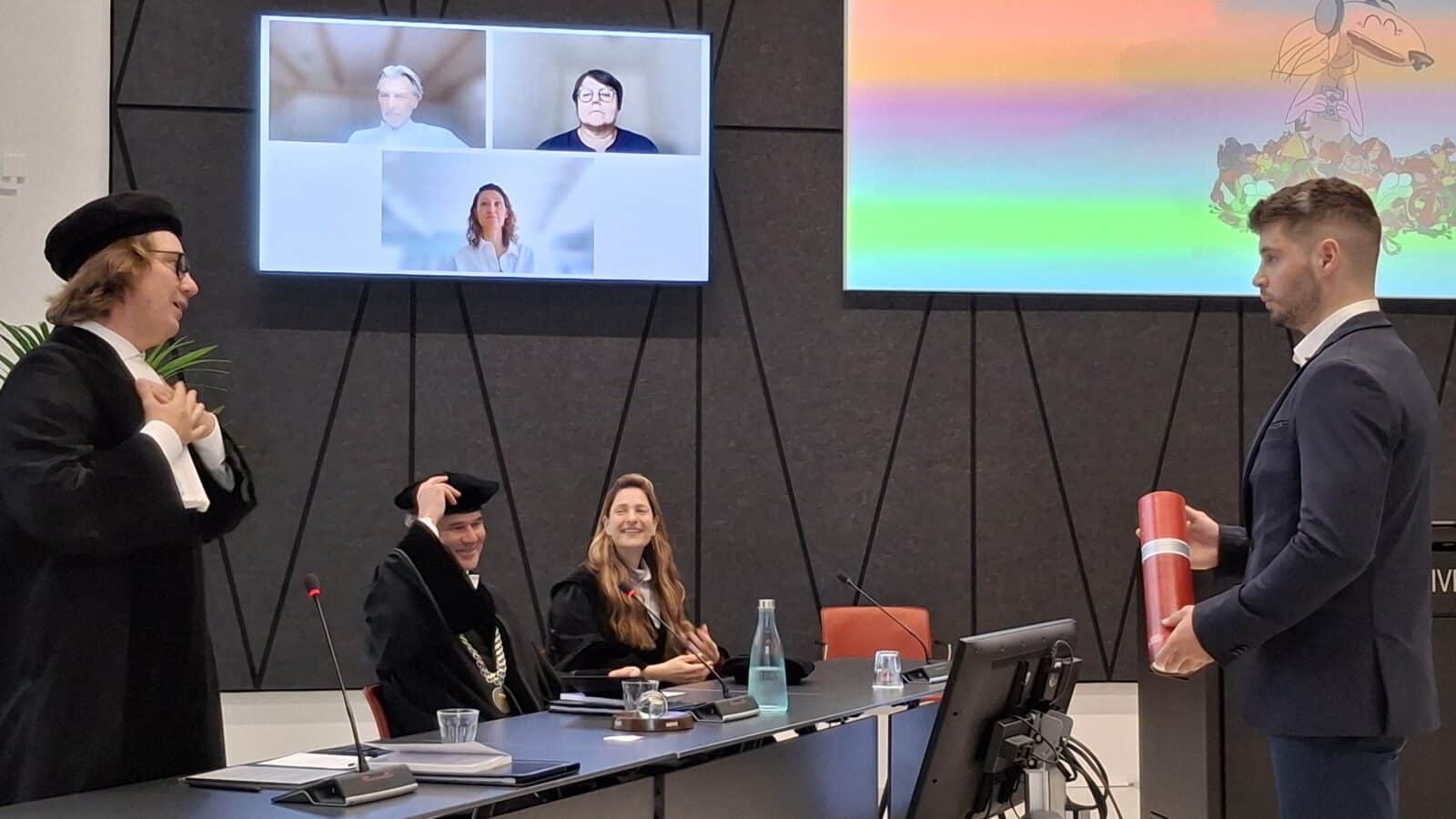
Sequential decision-making lies at the heart of many AI systems, from online recommendations to autonomous agents. Yet in practice, the assumptions behind widely used models—immediate feedback, simple rewards, unconstrained environments—rarely hold. Real-world settings are often far more complex.
During his PhD at JADS, Danil Provodin investigated how learning algorithms perform under these more realistic conditions. His work spans bandit problems with delayed and batched feedback, constrained reinforcement learning, and the use of auxiliary signals. The results offer both theoretical insights and practical methods, including algorithms tested in industrial applications.
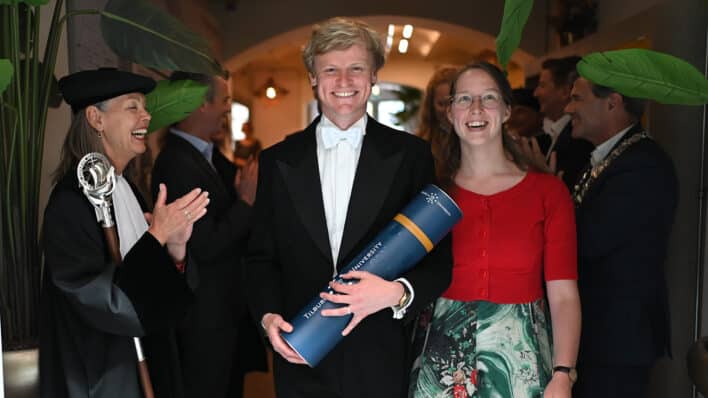
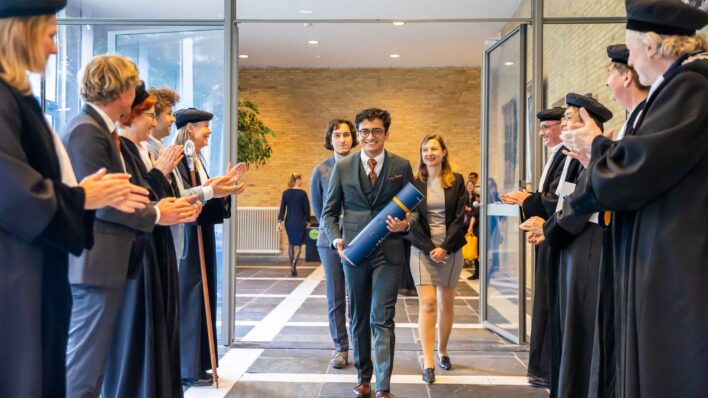
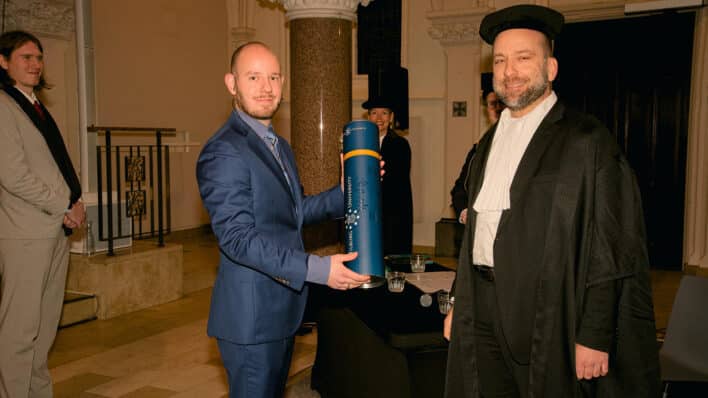
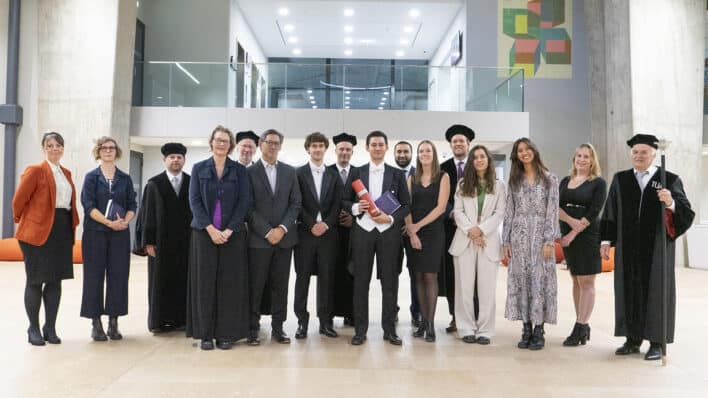
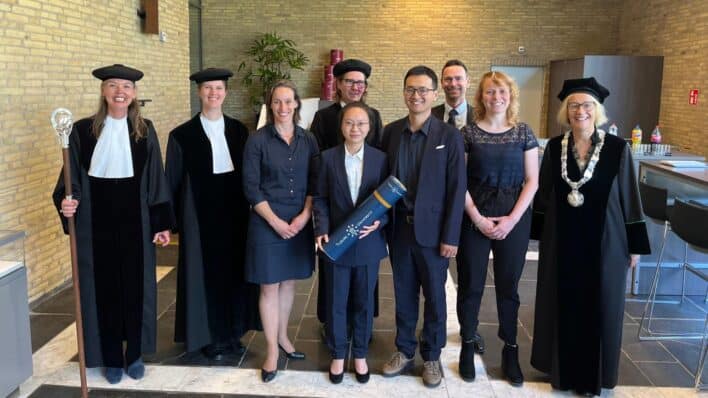
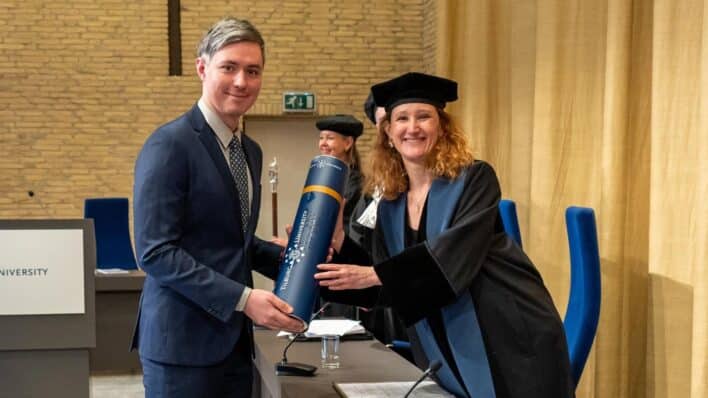
As Danil prepares to defend his thesis, we spoke with him about the appeal of this research area, the challenges of bridging theory and practice, and how his work continues at Booking.com, where he applies machine learning to real-world problems at scale.
Why did you choose this research subject and what makes it so fascinating?
“I chose to work on sequential decision-making—and specifically on bandits and reinforcement learning—because it offers an ideal blend of theoretical depth and practical relevance. I find it fascinating that this field allows for rigorous mathematical analysis while also being directly applicable to real-world problems. This dual nature makes it intellectually rewarding and impactful at the same time.”
Which challenges did you meet along the way and how did you overcome them?
“Interestingly, what drew me to this field—the intersection of theory and practice—also turned out to be one of the biggest challenges. Theoretical solutions are not always practical, and effective heuristics used in real-world applications can be hard to analyze rigorously. Bridging this gap between theoretical soundness and practical utility was often difficult. However, I found that focusing on approaches where theory could meaningfully guide practice helped me navigate.”
What is the impact of your work in the real world?
“The subtitle of my thesis, “Advancing learning algorithms toward practical decision-making”, captures one of its central motivations. Many of the ideas and methods we developed were designed with practical applicability in mind. Some of them—like the BatchEXP3 algorithm—have been successfully deployed in real-world settings. Others provide theoretical insights that can underpin more robust algorithm design in practical systems. I believe this work contributes both directly and indirectly to building adaptive, efficient systems that function well under complex feedback structures common in real-world environments.”
What are your plans after your PhD?
“I’ve recently joined Booking.com as a Machine Learning Scientist. My goal is to continue developing practical algorithms in an industrial setting, working on problems where machine learning can create measurable impact. I’m excited to bring both the theoretical foundations and the research mindset from my PhD into real-world systems at scale.”