From trainee to partner: Hendrix Genetics on the value of EngD collaborations
Posted on
At JADS, we team up with companies across sectors to explore real-world challenges through data. In this interview series, we talk to our industry partners to find out what it’s like to work with EngD trainees.: what it brings to their teams, what makes it work, and why they keep coming back. This time, we spoke with Anatolii Savchuk from Hendrix Genetics, a global leader in animal genetics for livestock and aquaculture.
EngD in practice: stories from our industry partners
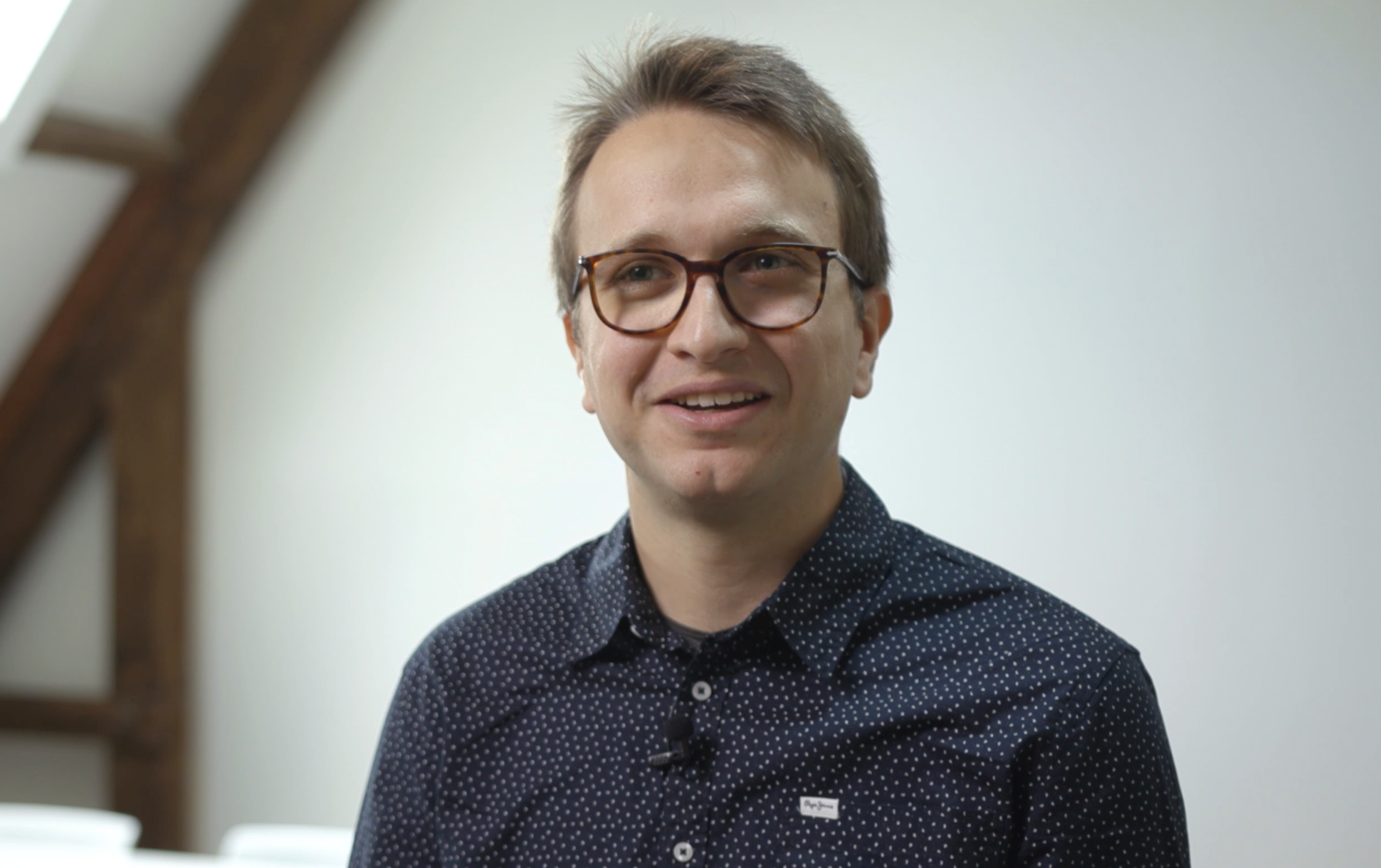
Anatolii Savchuk knows the JADS EngD program inside out. Years ago, he himself was a trainee of the program. Now he’s on the company side, working as a data scientist at Hendrix Genetics and guiding new EngD projects. That transition, from trainee to industry professional, gives him a clear view of how these collaborations work, and why they matter.
“When there’s a possibility to have a project with JADS, I say yes,” Anatolii says. “Not because I’m a former EngD trainee, but because I see the value in collaborating with JADS.”
Real-world projects with real value
Hendrix Genetics is a global animal breeding company active in poultry, pigs, and aquaculture. Data is at the core of their work. Whether it’s improving genetics, boosting productivity, or making long-term decisions. An EngD project offers a focused way to explore a relevant challenge using real company data. But for a project to succeed, it needs the right setup.
“Always have a well-formulated project where you can get some value,” Anatolii says.
The most common issue he sees isn’t the topic. It’s the data.
“I know, also from my studies, that EngD students are eager to dive into the project and start playing with the data from the very first day.”
Therefore, the absence of data or a lack of background information can lead to disappointment for both sides. You invest a lot of time and effort, but then don’t get the output you expect.
“We always try to ensure that students have all the necessary resources for the project. We encourage them to be proactive in asking questions, contacting our experts, and even visiting our farms. And then the data science “magic” starts to happen.”
A different kind of collaboration
Compared to PhD candidates, EngD trainees are more focused on delivering practical results than writing academic papers. Their goal is to work on a real-world problem, not publish research. That makes them a better fit for projects where companies are looking for actionable outcomes.
And unlike interns, they don’t need step-by-step guidance. EngD trainees come in with a clear plan, work independently, and manage their time and risks effectively.
“Most of them are very prepared and can track their time well,” Anatolii says. “They write a plan at the beginning, evaluate how much time they’re going to spend on each phase, manage risks, and inform us if there’s any issue.”
This structure makes the collaboration efficient and easier to manage. Especially for teams that are already stretched. EngD as a way to attract and learn from new talent.
For Hendrix Genetics, the collaboration also helps increase visibility in an industry that often flies under the radar.
“People who are looking for data science jobs don’t always think about agriculture,” Anatolii says. EngD projects help change that. By working directly with trainees, Hendrix Genetics gets a chance to show what the company does, how data plays a role, and what kind of innovation is happening behind the scenes. That exposure can lead to new interest and eventually, new hires.
It’s not a recruitment strategy in the traditional sense, but it does help connect with talent that might not have found the company otherwise. Trainees also bring something else: up-to-date knowledge. “We learn a lot from them too,” Anatolii says. “The data science field changes fast, and they bring in the newest methods and approaches.”
A smooth collaboration
The collaboration with JADS itself runs smoothly. The expectations are clear, the roles are defined, and the process is efficient. That makes it easier for the company to focus on the content of the project, not the logistics around it. “I’ve seen the value,” Anatolii says. “That’s why I say yes when the opportunity comes up.”
Advice for other companies
For companies thinking about working with a JADS EngD trainee, Anatolii’s advice is simple: make sure your project is clearly defined, that the data is available, and that you’re ready to offer some support when needed. If those things are in place, he says, the project is likely to succeed and you might learn something new in the process.
Interested in collaborating with JADS?
Whether you’re exploring a specific data challenge or looking for fresh perspectives, an EngD project is a practical way to start. Get in touch with our team to find out how we can work together: EngD trainee for your company.
Or join our inspiration session on October 7 in Den Bosch ‘GenAI Strategy for your business’.