Behind the PhD: Making data architectures work for real people
Posted on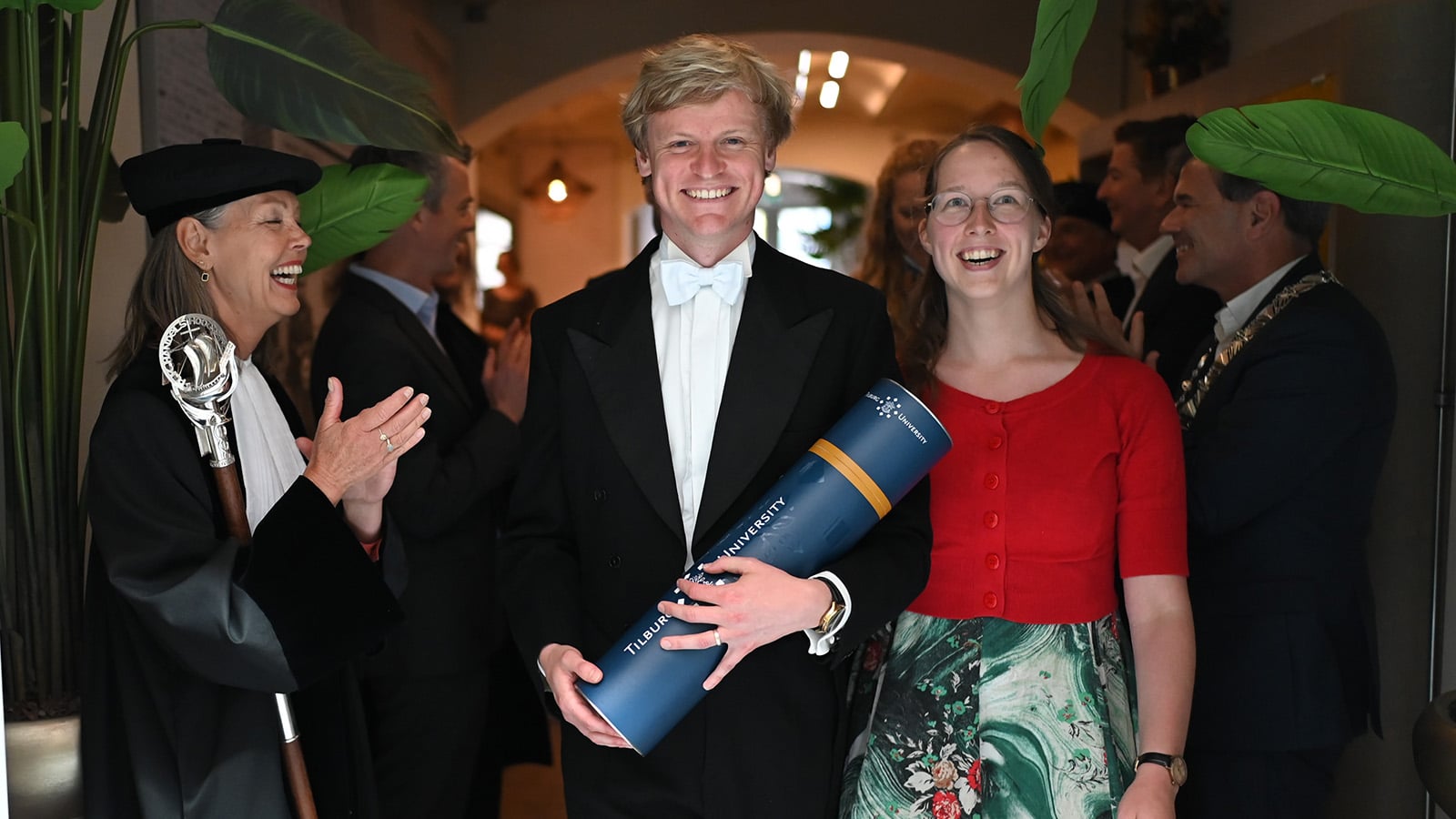
Every organization wants to use AI. Every manager wants to make smarter, data-driven decisions. But most companies are stuck. Their data gets lost between teams, systems, and silos, resulting in ambitions that stall before they even start.
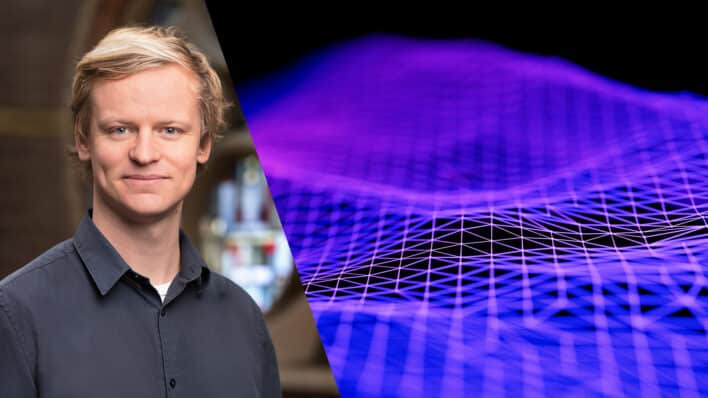
Stefan Driessen decided to tackle that. In his PhD at JADS, Stefan zoomed in on the messy reality behind the buzzwords. He looked at why modern data systems fail when it really matters, and how we can fix that. His focus: data products. Think reusable, trustworthy building blocks of information that actually deliver value. He developed a practical standard, ProMoTe, that helps teams design, manage, and share data in a way that makes sense. Not just in theory, but inside real companies, where things are never as clean as the textbook.
Ahead of his PhD defense on June 23, we spoke to Stefan about falling into this topic by accident, building new ideas from scratch, and why companies like ASML, KPN and ABN AMRO are already using his work.
Why did you choose this research subject and what makes it so fascinating?
“I fell into this topic more or less accidentally. I started my PhD doing research on blockchain technology and looked into data markets as a potential application for that. Instead, I quickly realised that traditional, centralised and monolithic data architectures were one of the major blockers stopping large organisations from benefiting from Data Science, Machine Learning, AI, etc. Every company wants to use AI or make data-driven decisions, but they can’t because they don’t get their data from A to B in a consistent, compliant and high-quality manner. This is what data products solve.”
Which challenges did you meet along the way and how did you overcome them?
“One of my major challenges was that when I started working on data products, there was barely any literature and no academic community to speak of. This meant I had to work closely with companies, and these companies had to be really large in order to feel the pains that I tried to address. This meant I got to work with one of the largest auto manufacturers in the world, but also with KPN, ZEISS, DPG Media and ASML.”
What is the impact of your work in the real world?
“The standards that I developed are being implemented in several real-world companies.”
What are your plans after your PhD?
“I am currently working at the Data Strategy & Design team of ABN AMRO, helping realise their vision on data products and drafting a high-level strategy on AI.”