Van theorie naar impact: waarom Stefan Driessen en JADS een perfecte match zijn
Posted on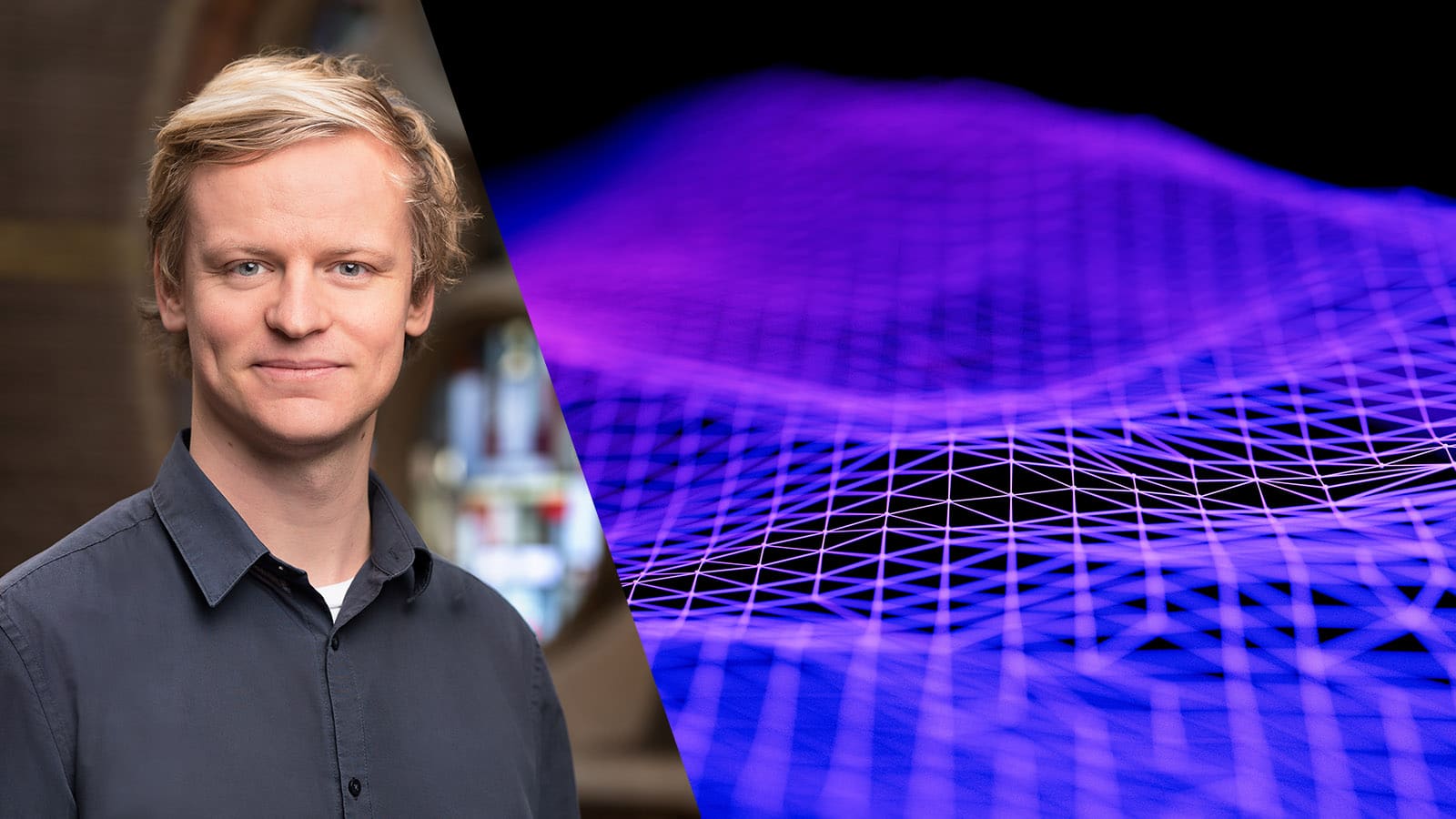
Het verhaal van Stefan Driessen laat zien hoe JADS haar talent koestert, vanaf het prille begin tot aan baanbrekend onderzoek. Stefan begon met een pre-masterprogramma en vervolgde zijn studie met een master in Data Science & Entrepreneurship. Zijn reis bij JADS kent vele belangrijke mijlpalen, zoals zijn baanbrekende onderzoek naar data meshes en data producten, en het organiseren van de komende Industry Summit on Data Product Oriented Architectures. In dit interview blikt Stefan terug op zijn veranderende rol, de impact van zijn JADS-ervaringen op zijn carrière hebben gevormd, en zijn plannen voor de toekomst.
Hoe heb je JADS gevonden en wat trok je aan in het masterprogramma?
” Mijn achtergrond is wis- en natuurkunde, vooral gericht op abstract, theoretisch werk. Nadat ik mijn bachelor had afgerond, wilde ik meer toegepaste dingen gaan doen. Mijn moeder heeft me op JADS gewezen, dat toen net van start ging. Ze was betrokken bij de ontwikkeling van JADS. Wat me aantrok in het programma was de mogelijkheid om bèta- en technische wetenschappen te combineren met ondernemerschap. De gedachte om les te krijgen van professoren van zowel Tilburg University als de Technische Universiteit Eindhoven, met hun mix van hun expertise, vond ik erg interessant. In tegenstelling tot andere universiteiten waar wetenschap en maatschappij vaak apart worden behandeld, bood JADS een geïntegreerde aanpak. Dat was precies wat ik zocht.”
Wat was voor jou de motivatie om ook bij JADS te promoveren?
“Tijdens mijn master was JADS erg enthousiast over mijn scriptie en stimuleerde me om door te gaan met het werk als promovendus. Ik wilde mezelf ook uitdagen door diep in een specifiek deelgebied te duiken en een bijdrage te leveren aan de ontwikkeling van menselijke kennis en technologie. Mijn onderzoeksgebied, dat zich richt op datamaashes en dataproducten, was erg nieuw toen ik in 2019 begon. Nu ik er vanaf het begin bij betrokken ben, word ik als expert beschouwd. Ik werk met grote bedrijven en adviseer hen over hoe ze hun datalandschap kunnen transformeren. Bij JADS kreeg ik de unieke kans om academisch onderzoek te combineren met real-world industriële toepassingen, en dat was voor mij een belangrijke motivator.”
Can you tell us about your research?
“My research primarily focuses on data meshes and data products. When I started, these concepts were still emerging, but now they’re gaining traction. I work with large organizations, helping them transition to decentralized data landscapes that unlock the value of big data. I also link this work back to academia, publishing papers and presenting models that I develop in collaboration with industry partners. It’s a field that’s still very new, so I’m at the forefront, contributing to both its academic foundation and its practical application in industry.
Which moments at JADS were most pivotal for you?
“One significant moment was during the JADS Wildlife Hackathon, which was part of my pre-master program. We were tasked with predicting poacher locations in a South African wildlife park using sensors on animals. My team built a sophisticated technical solution, but we lost to another team that, despite delivering a technically flawed solution, provded a better presentation which engaged more with the judges. This experience taught me that it’s not enough to build great technical solutions; you also need to be able to convince others of their value. It was a pivotal lesson that influenced how I approach my work, focusing not just on the technical side but also on communication and impact.”
What are the key benefits of being part of the JADS community for researchers and students?
“The most unique aspect of JADS is the multidisciplinary approach combined with strong industry connections. JADS may be small, but it offers a wide range of interests and fields. Whether you want to focus on hardcore data science, business, or a combination of both, you can do it here. The community is very open and focused on useful science—almost everyone is involved in projects with external partners, whether it’s the Dutch government, companies, or other universities. This focus on practical application without sacrificing academic rigor is what makes JADS so special.”
In September, you’re organizing an Industry Summit on Data Product Oriented Architectures. What is the goal of this event, and how JADS bring companies and experts together?
“One of the exciting things about JADS is that they gave me the opportunity to dive into a completely new research area—one with little existing academic expertise. To explore this uncharted territory, I collaborated extensively with industry partners. Finding these partners took a lot of effort from my supervisor and me, but the existing JADS ecosystem made it easier. For instance, I approached KPN because I knew my colleagues were already working with them, while Mercedes-Benz came into the picture through my supervisor’s connections. Leveraging JADS’ network allowed me to conduct impactful research that was immediately tested and validated in real-world settings.
What I’ve learned from these collaborations is that companies struggle with implementing new concepts like data meshes and data product-oriented architectures because there’s a lack of practical guidance. While there are some abstract papers and blogs, they often don’t address how to implement these ideas in practice, especially within the strict regulatory environment in Europe. Companies are eager to find solutions, but the available advice is often too general or skewed towards selling a product rather than offering a genuine solution. What they really want is to exchange experiences with others facing the same challenges.”
How do you see your future after your PhD?
“That’s a great question, and I’m still figuring it out. My contract ends in December, and I aim to complete my analysis by then. Ideally, I’d like to stay involved in scientific projects, possibly through a postdoc if it’s something exciting and relevant. However, I’m also drawn to the industry side. A career in academia is tough, with hard work often not matched by financial compensation or recognition. In my ideal scenario, I’d find a balance where I manage research either from within a company or possibly from a university, but always with a strong connection to practical, real-world applications.
How do you see the role of JADS in the further development of data science and AI?
“Although my work is more focused on data engineering than data science and AI, what excites me about JADS is our approach to combining high-quality scientific research with practical industry applications. We’re not in the business of selling ready-made solutions like consultants. Instead, we aim to tackle fundamental questions with rigorous, scientific methods, while also addressing real-world problems that are valuable to companies. It’s a challenging balance to strike, but when it works, it’s impressive.”